Data boundaries
Allowed sources, sensitive fields, retention, and redaction rules are defined before model access.
AI workflows touch sensitive data, tools, and decisions. I design clear boundaries, review points, access rules, and recovery paths into the system from the start.
Security is not a model setting. It is the operating structure that decides what enters, who can act, where a person reviews, and what happens when the system cannot continue safely.

Allowed sources, sensitive fields, retention, and redaction rules are defined before model access.
People and automated steps receive only the permissions they need, with approval gates for sensitive actions.
Uncertain output and high-impact decisions move to a responsible person with the source context attached.
Inputs, outputs, overrides, errors, and fallback behavior remain visible after launch.
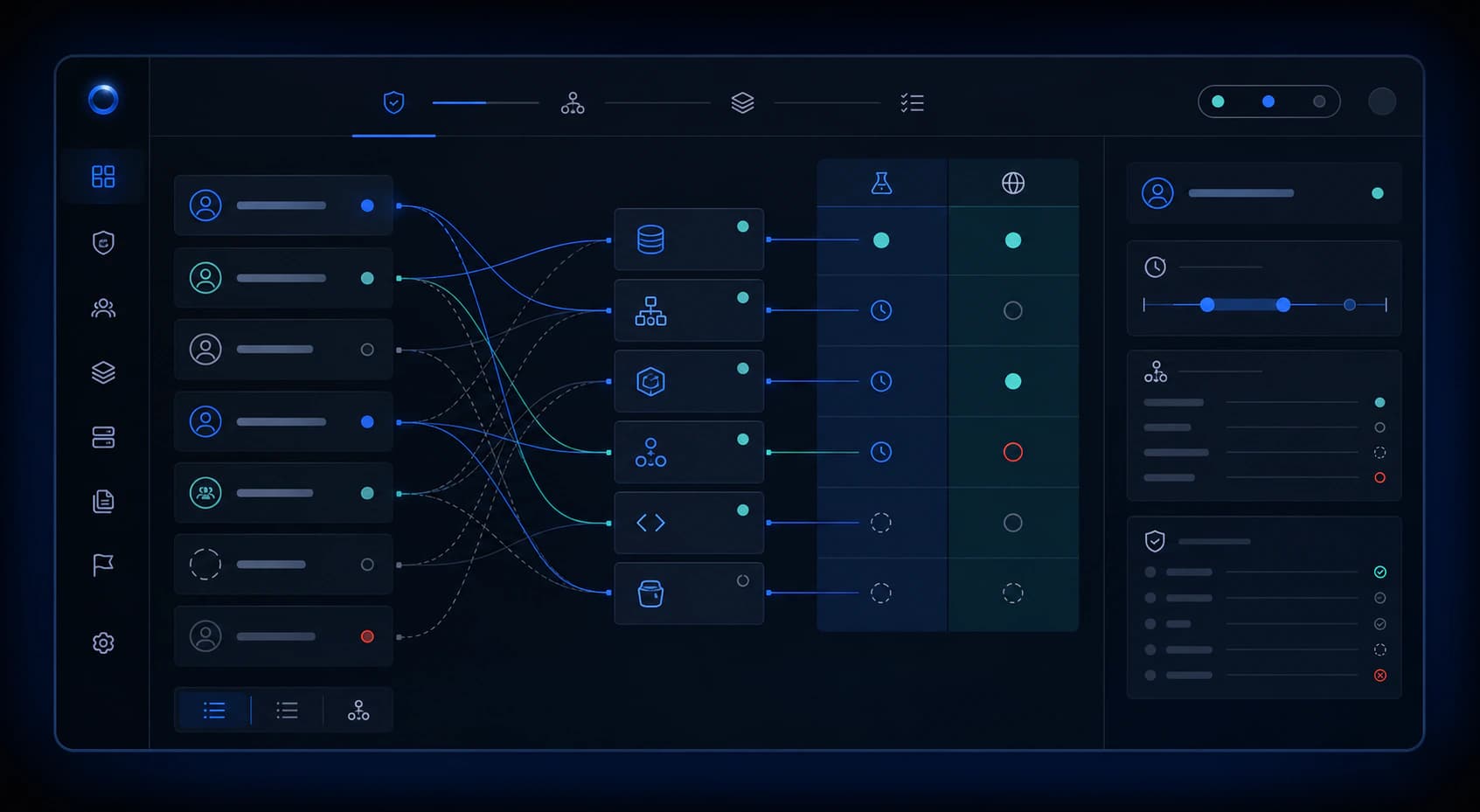
Delivery should not require broad, permanent access to every system. The access path follows the actual scope and closes again when temporary work is complete.
Wider action is earned after realistic cases show acceptable quality, visible failure behavior, predictable cost, and a manageable review load.
Risks reviewed before launch
Before responsibility expands
Representative inputs, weak data, and edge conditions define what can continue and what must stop.
Low-confidence output, unavailable tools, and rejected actions move to review or recovery with context intact.
Review volume, provider cost, and recurring exceptions are understood before responsibility expands.
The review follows the workflow, its providers, and the consequences of a wrong action—not a generic checklist.
This page explains how I design delivery controls. The legal pages remain the source of record for processing details and regulatory rights.
No. This page explains the operational design approach I use for AI workflow and internal tool delivery. Legal disclosures, processor terms, and formal security requirements should be reviewed through the proper legal and vendor process.
We use least-privilege access, prefer sample or read-only data where possible, separate environments, and remove temporary access once setup, testing, or migration work is complete.
Only for low-risk, clearly bounded actions. Customer-facing, financial, compliance-related, or operationally sensitive actions should include human approval, logging, and fallback options.
Yes. The architecture can be vendor-aware: model choice, fallbacks, data boundaries, and migration paths can be documented so one provider is not treated as an invisible permanent dependency.
Share the tools, data, decisions, and constraints involved. I will tell you what needs protection before any build is scoped.
